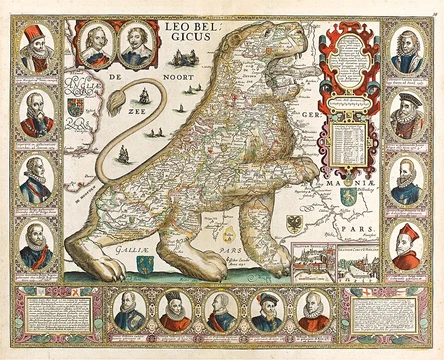
Dividend
Distribution of corporate profits to shareholders.
A dividend is the distribution of profits by a corporation to its shareholders. When a corporation earns a profit or surplus, it may pay a portion as a dividend, with any undistributed amount retained as retained earnings. Dividends provide income to shareholders and are subject to varying tax treatments across jurisdictions.
- field
- Corporate finance and investment
- known_for
- Distribution of corporate profits to shareholders
- first_recorded_payer
- Dutch East India Company (VOC)
Lore & Background
The Dutch East India Company (VOC) was the first recorded public company to pay regular dividends, paying annual dividends worth around 18 percent of its share value for nearly 200 years (1602–1800). In common law jurisdictions, courts have typically refused to intervene in companies' dividend policies, giving directors wide discretion. This principle was established in cases such as Burland v Earle (1902), Bond v Barrow Haematite Steel Co (1902), and Miles v Sydney Meat-Preserving Co Ltd (1912). However, in Sumiseki Materials Co Ltd v Wambo Coal Pty Ltd (2013), the Supreme Court of New South Wales broke with this precedent, recognizing a shareholder's contractual right to a dividend.
Reader's Guide
Dividends are a fundamental mechanism for returning corporate profits to shareholders, typically paid in cash, stock, or property. They are not an expense for the corporation but a division of after-tax profits, and they do not appear on the income statement but reduce retained earnings on the balance sheet. The dividend payout ratio, calculated as dividends per share divided by earnings per share, indicates how much of a company's earnings are distributed; a ratio over 100% means the company paid out more than it earned. Free cash flow can also be used to assess dividend safety. Dividends can provide stable income but are not guaranteed, and companies may cancel or declare special dividends. The ex-dividend date is crucial for determining entitlement, and share prices often decrease by roughly the dividend amount on that date. Preferred stocks have priority over common shares for dividend payments. The tax treatment of dividends varies by jurisdiction, and corporations receive no tax deduction for dividends paid.
Did You Know?
- The Dutch East India Company (VOC) was the first recorded public company to pay regular dividends, paying annual dividends worth around 18 percent of its share value for nearly 200 years.
- In common law jurisdictions, courts have typically refused to intervene in companies' dividend policies, giving directors wide discretion.
- A payout ratio greater than 100% means the company paid out more in dividends for the year than it earned.
- The word 'dividend' comes from the Latin word 'dividendum' ('thing to be divided').
More in Dutch inventions 1-24
Spotted an error? Know more?
This is a living reference — every entry is fact-audited, and reader corrections feed straight into our audit queue. Suggest an edit · See this site's audit record